Recycling Europe welcomes EU safeguard investigation into PET imports
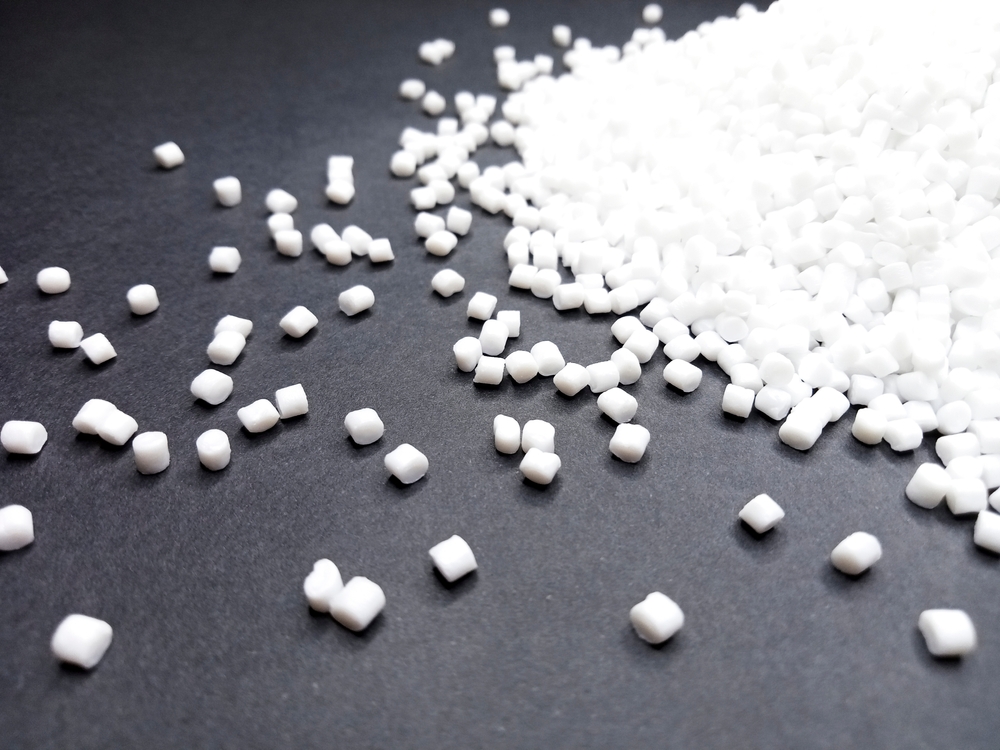
Brussels, 6 November 2026 2026 – Recycling Europe welcomes the European Commission’s decision to launch a safeguard investigation into imports of four products across the polyethylene terephthalate (PET) value chain: PET resin, including virgin and recycled PET, terephthalic acid (TA), mono-ethylene glycol (MEG) and purified isophthalic acid (PIA).
This is an important step towards addressing growing import pressures on Europe’s plastics recycling industry, which continues to face declining competitiveness, weak demand and accelerating plant closures. The decision follows the Commission’s commitments under its December 2025 “Winter Package”, in which it pledged to consider trade defence investigations where sufficient evidence demonstrates harmful increases in imports.
The Commission’s notice highlights the scale of the challenge. Imports of the products concerned increased from 2.12 million tonnes in 2021 to 2.70 million tonnes in 2025, with the Commission identifying evidence of serious injury to EU industry, including pressure on sales volumes and profitability. Meanwhile, Europe has lost more than one million tonnes of plastics recycling capacity since 2023. Further closures would weaken Europe’s industrial base, increase dependence on imported materials and undermine the EU’s circular economy ambitions.
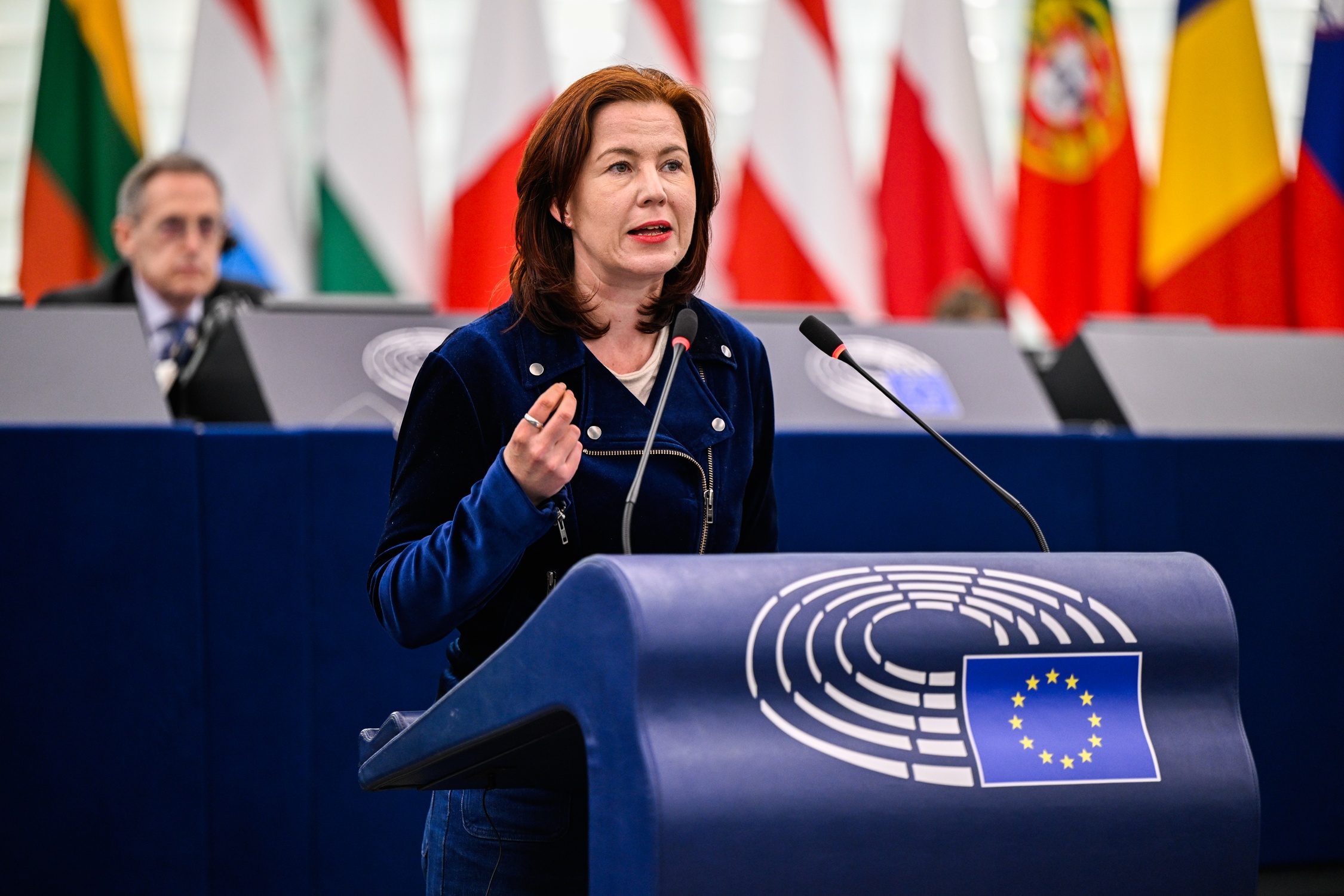
Sophie Sicard, President of Recycling Europe’s Plastics branch, said:
“The situation of the European plastics recycling industry requires swift action. The Commission’s decision is a welcome first step. We urge a timely assessment of the evidence and, where justified, the prompt adoption of effective measures to relieve the pressures on Europe’s circular plastics value chain.”
As the voice of Europe’s recyclers, we stand ready to provide the Commission with relevant market intelligence, industry data and evidence throughout the investigation. The investigation is a welcome first step. What matters now is an effective response that protects Europe’s circular plastics value chain and its industrial future.
Note to editor: Recycling Europe (formerly EuRIC) is the voice of Europe’s recycling industry, including 83 national federations and companies across 24 EU & EFTA countries. From metals and paper to plastics, textiles, tyres, ships, construction & demolition waste, WEEE and ELVs, our members transform waste into resources—powering Europe’s circular economy, ensuring resource autonomy, and boosting competitiveness and sustainable industrialisation across the continent. For press-related enquiries, please contact Zoi Didili, Recycling Europe’s Senior Public Affairs & Communications Advisor, by email at zdidili@recyclingeurope.org or by phone at +32 (0) 489 09 46.